



- Helps regulate blood sugar levels by improving insulin sensitivity, making it beneficial for managing type 2 diabetes.
- Supports digestive health by stimulating digestive enzymes, relieving constipation, and reducing symptoms of indigestion and bloating.
- Rich in soluble fiber and antioxidants, which help lower cholesterol levels and protect the heart from oxidative stress.
- May increase milk production in breastfeeding mothers by stimulating milk ducts and enhancing lactation.
- Contains anti-inflammatory compounds that can reduce internal inflammation, potentially benefiting conditions like arthritis.
- Promotes weight management by increasing feelings of fullness and reducing appetite, aiding in calorie control.
- May boost testosterone levels and improve libido in men by influencing hormone regulation and enhancing reproductive health.

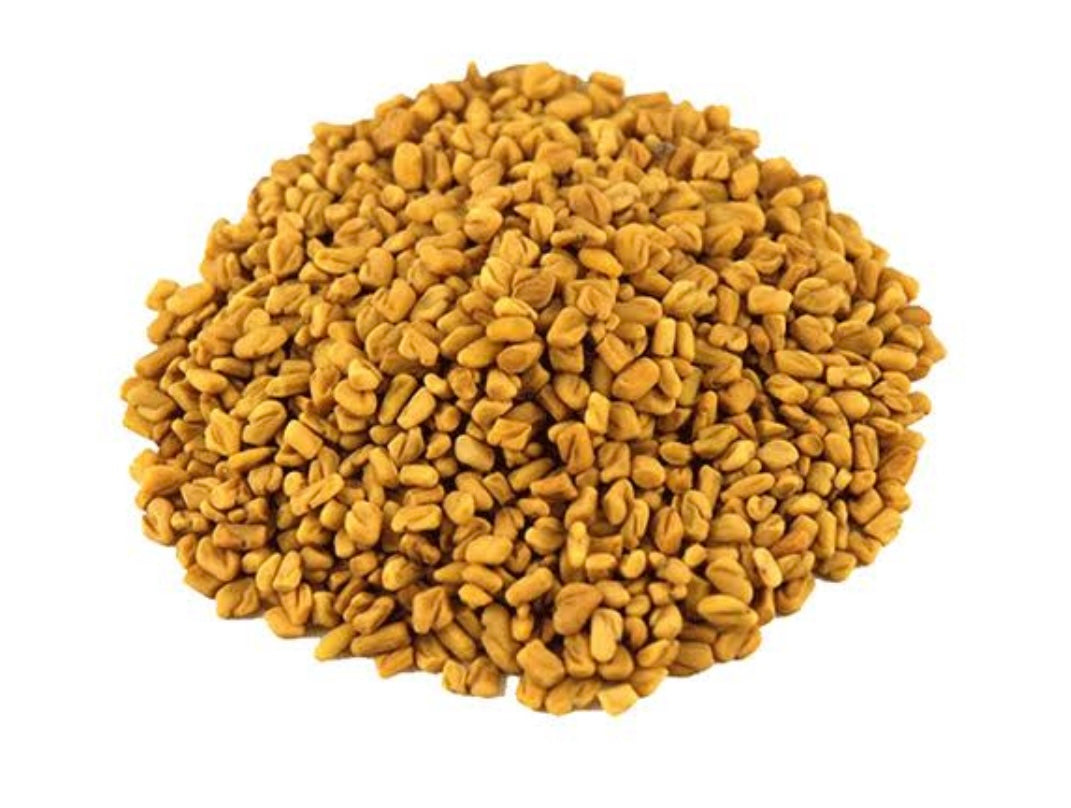
- Fenugreek seeds come from the Trigonella foenum-graecum plant, a herb native to the Mediterranean and South Asia.
- They are small, yellowish-brown seeds with a slightly bitter, nutty flavor.
- Commonly used as a spice in cooking, especially in Indian, Middle Eastern, and North African cuisines.
- Fenugreek seeds are also valued for their medicinal properties and are used in traditional remedies.
- Rich in fiber, protein, and essential minerals like iron and magnesium.
- Often used whole, ground into powder, or as an extract in supplements.
- Known for their distinctive aroma and ability to enhance the flavor of dishes.

- Cultivated for over 4,000 years, originating in the Mediterranean and Western Asia.
- Used by ancient Egyptians in food, medicine, and mummification.
- Valued in ancient Greece and Rome for culinary and medicinal purposes.
- Spread to India, becoming a staple in traditional medicine and cuisine.
- Traded globally and integrated into diverse cultures and remedies.
Remains a widely used spice and medicinal herb today.

- Fenugreek Curry: Soak 2 tablespoons of fenugreek seeds overnight. Sauté chopped onions in oil until golden. Add garlic, ginger, and tomatoes, cook until soft. Stir in soaked seeds and spices (turmeric, cumin, coriander, chili powder). Add water and simmer for 15-20 minutes. Serve with rice or bread.
Tip: Soaking reduces bitterness and softens seeds. - Fenugreek Tea: Boil 1 teaspoon of fenugreek seeds in 2 cups of water for 5-10 minutes. Strain and add honey or lemon if desired.
Tip: Warm tea aids digestion. - Fenugreek Sprouts Salad: Soak 3 tablespoons of seeds for 8-12 hours. Rinse and sprout for 2-3 days, rinsing twice daily. Mix sprouts with chopped cucumbers, tomatoes, onions, lemon juice, salt, and pepper.
Tip: Rinse sprouts daily to keep fresh. - Fenugreek Seed Powder: Dry roast 2 tablespoons of seeds on low heat for 2-3 minutes. Cool and grind into powder. Use in dals, curries, or breads.
Tip: Roast gently to avoid bitterness.