


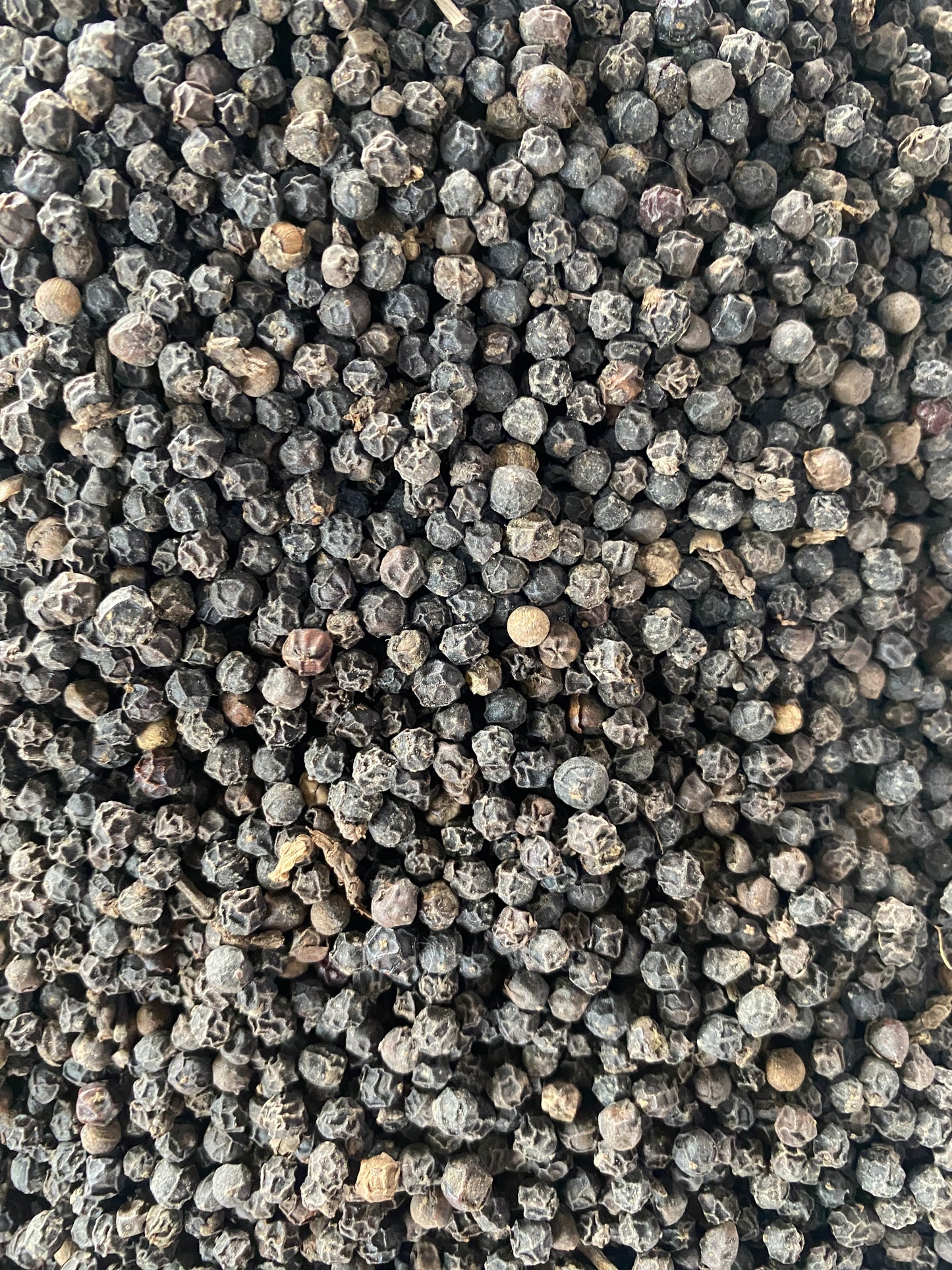

- Contains piperine, which helps digestion and nutrient absorption.
- Acts as an antioxidant to protect cells.
- Has anti-inflammatory effects that may ease pain and swelling.
- Boosts metabolism and supports weight control.
- Fights infections with antimicrobial properties.
- May improve memory and focus.
- Helps clear airways and supports breathing.
- Supports healthy blood sugar and heart health.

- Contains piperine, a natural compound that boosts digestion and enhances nutrient absorption.
- Acts as a powerful antioxidant, protecting the body’s cells from damage caused by free radicals.
- Exhibits anti-inflammatory properties that may help reduce pain and swelling.
- Supports metabolism, potentially aiding in weight management.
- Possesses antimicrobial effects that help fight infections and strengthen the immune system.
- May improve brain function by enhancing memory, focus, and cognitive abilities.
- Helps maintain respiratory health by acting as a natural decongestant and expectorant.
- Can contribute to healthy blood sugar levels and cardiovascular health.

- Black peppercorns originate from the Piper nigrum plant, native to South India, and have been used for thousands of years.
- Historically known as "black gold," black pepper was highly prized not only for its flavor but also for its medicinal properties.
- In traditional medicine, black pepper was used to treat digestive issues such as indigestion, bloating, and constipation by stimulating digestive enzymes.
- It was believed to have warming properties that could relieve cold symptoms, improve circulation, and reduce inflammation.
- Black pepper was also used as a remedy for respiratory conditions like coughs, colds, and asthma due to its expectorant qualities.
- The spice was applied topically to alleviate joint pain and muscle soreness, thanks to its anti-inflammatory effects.
- Additionally, black pepper was thought to enhance the bioavailability of other medicinal herbs, making treatments more effective.
- Over time, its cultivation spread beyond India, and it became a key component in both culinary and medicinal practices worldwide.
- Today, black peppercorns continue to be valued for their health benefits, including antioxidant, antimicrobial, and metabolism-boosting properties.

- Peppercorn-Crusted Steak:
Press whole black peppercorns onto both sides of the steak.
Sear in a hot pan with oil for 3-4 minutes per side.
Let rest before serving to lock in juices.
Tip: Use a cast-iron skillet for even heat and a perfect crust. - Black Peppercorn Chicken Curry:
Toast whole peppercorns and grind coarsely.
Sauté onions, garlic, and ginger; add spices and chicken.
Simmer with coconut milk until chicken is tender.
Tip: Toast peppercorns just until fragrant to avoid bitterness. - Peppercorn Sauce:
Crush black peppercorns and cook in butter.
Add cream and beef stock; simmer until thickened.
Serve over grilled meats.
Tip: Stir constantly to prevent sauce from sticking or burning. - Pickled Peppercorns:
Combine whole peppercorns with vinegar, salt, and sugar.
Let marinate for several days.
Use as a tangy condiment.
Tip: Use sterilized jars to extend shelf life. - Black Peppercorn Shortbread Cookies:
Add ground black peppercorns to shortbread dough.
Bake until golden for a spicy-sweet treat.
Tip: Start with a small amount of pepper and adjust to taste.